

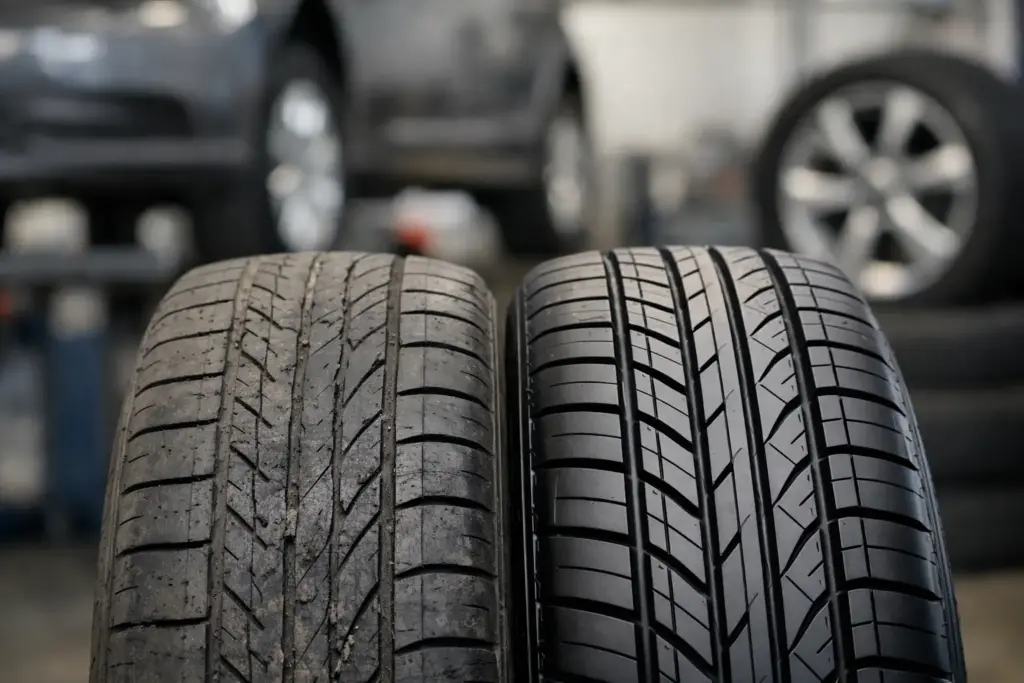
A used tire can solve a real problem fast. Maybe you picked up a screw, damaged one tire on a set that still has plenty of life, or simply need to keep a vehicle safely on the road until the next payday. Used tires can be a sensible value, but only when the tire’s condition, age, size, and intended use are checked carefully. A low price isn’t a bargain if it leaves your family with poor rain traction, a vibration, or a tire that won’t last.
At Joe’s ALL TIRE, Joe looks at the whole situation, not just what’s sitting on the rack. Locals know us as ALL TIRE because we give direct answers about whether a used option makes sense, whether a new tire is the wiser move, and what needs attention before the vehicle leaves the shop.
When Used Tires Make Sense
Used tires are often a practical choice when you need one matching tire to replace an isolated failure. If the other three tires have moderate wear and the replacement is close in size, tread depth, construction, and overall condition, a properly selected used tire may help you get more life from the set.
They can also make sense for a second vehicle, a trailer, or a short-term situation where the tire will see limited miles. The key word is properly selected. A tire that looks decent from a few feet away may have uneven wear, old rubber, hidden damage, or a repair history that changes the decision.
A used tire is less attractive when your current set is already near the wear bars, when multiple tires are worn unevenly, or when your vehicle has all-wheel drive and needs closely matched tread depths. In those cases, saving money on one tire can create a bigger expense later through handling problems, drivetrain stress, or another early replacement.
If you’re weighing a used tire against a new one and want a straight answer for your vehicle, we can sort through the options with you. Mobile visitors can tap the blue call button in the lower left corner to ask questions or schedule an appointment.
What ALL TIRE Checks Before Recommending a Used Tire
Tread depth matters, but it’s only one part of the inspection. Minnesota roads ask a lot from tires through summer downpours, potholes, snow, ice, and long highway commutes. That means a tire has to do more than hold air.
When evaluating used tires, we look closely at:
- Remaining tread depth and whether the tire is wearing evenly across its width
- Tire age, based on the date code stamped on the sidewall
- Sidewall condition, including cuts, cracking, bubbles, or impact damage
- Previous repairs and whether the tire is structurally sound
- Matching size, load rating, speed rating, and construction for the vehicle
- Signs of belt separation, out-of-round condition, or a likely vibration issue
A tire with deep tread on only one side isn’t a good find. It may point to an alignment problem, worn suspension parts, incorrect inflation, or a previous vehicle issue. Likewise, a tire can have usable-looking tread but be too old to trust. Rubber hardens with age, and an older tire may lose the flexibility needed for reliable grip even if it hasn’t been driven much.
Tread Pattern Is More Than Appearance
For Elk River drivers, tread design deserves real attention. ALL TIRE strongly recommends open shoulder tire designs for cars and trucks whenever the right fit is available. Open shoulders use wider channels around the outer part of the tread to move water, slush, and snow away more effectively.
That matters during Minnesota’s roughly five months of snow and ice, but it also matters in summer. Open shoulder designs can improve wet-road traction during heavy rain, helping the tire clear water and maintain contact with the pavement. A tire with a closed, shallow, or heavily worn shoulder may be less capable when roads get slick.
Not every used tire available in a particular size will have an open shoulder design. That’s one of the trade-offs with shopping used inventory. If you drive a pickup, carry passengers regularly, commute on the highway, or deal with unplowed roads, a new tire with the right open shoulder pattern may be worth the additional cost.
The Price Difference Isn’t the Whole Story
The appeal of used tires is obvious: lower upfront cost. But the real value comes down to cost per safe mile, not the number on the invoice. A used tire with substantial life left can be a good value. One that needs replacing in a few months can turn into paying for mounting, balancing, and another tire sooner than expected.
There’s also the question of warranty coverage. New tires from established brands often include manufacturer warranties and a known starting point. With used tires, the history is usually limited. You may not know how the tire was stored, what kind of road impact it experienced, or how it was maintained before it arrived at the shop.
That doesn’t mean every used tire is a gamble. It means the inspection needs to be honest. At ALL TIRE, we won’t try to make a questionable tire sound better than it is just to make a sale. This Isn’t Walmart. The goal is to get you the right solution, mounted and balanced correctly, with no sales theatrics attached.
Used Tire Fitment: Why Matching Matters
A used tire must fit more than the wheel. It needs to work with the tires already on the vehicle. Matching tire size is the starting point, but tread depth and tread pattern can matter too.
For front-wheel-drive and rear-wheel-drive vehicles, one replacement tire is often manageable when it’s installed in the proper position and is reasonably close to the remaining tires. The specifics depend on the vehicle, tire condition, and manufacturer guidance. For all-wheel-drive vehicles, differences in tire circumference can be more serious. Even a tire that is technically the same size may have enough tread-depth difference to affect how the drivetrain operates.
This is why it helps to bring the vehicle in rather than selecting a used tire by size alone. Joe can measure the remaining tread, inspect the tire you’re replacing, and explain whether one tire, a pair, or a complete set is the sensible call.
Don’t Ignore the Reason the Old Tire Failed
If a tire wore out on one edge, keeps losing air, or was damaged after a hard pothole hit, the replacement tire may not be the only thing needed. An alignment issue, bent wheel, wheel bearing concern, suspension wear, or vibration can shorten the life of the next tire too.
A good shop doesn’t use every problem as an excuse to sell extra work. But it should point out a safety or wear issue when the evidence is there. Finding the cause now can protect your replacement tire and prevent another frustrating visit in a few weeks.
How to Get the Most From a Used Tire
Once a used tire is installed, basic care makes a difference. Check air pressure regularly, especially during temperature swings. Rotate tires on schedule, and have a new vibration, pull, or TPMS warning checked before it becomes a bigger issue. Tires last longer when they’re properly inflated, balanced, and aligned.
If you’re replacing only one tire, pay attention to how the vehicle feels afterward. It should track straight, ride smoothly, and have predictable traction. If something feels off, don’t wait for the next oil change. Bring it back so the issue can be checked while it’s small.
Frequently Asked Questions
Are used tires safe?
They can be safe when they have adequate tread, are not too old, show no structural damage, and are the right fit for the vehicle. Safety depends on the individual tire, not simply whether it is used.
How much tread should a used tire have?
More remaining tread generally means more usable life, but tread depth alone doesn’t determine quality. The tread also needs to be even, and the rubber, sidewalls, and internal structure need to be in good condition.
Can I replace just one tire with a used tire?
Sometimes. It depends on your vehicle’s drivetrain, the tread depth of the other tires, and whether the replacement is a close match. All-wheel-drive vehicles deserve extra care because tire differences can affect the drivetrain.
Are older tires okay if they have deep tread?
Not always. Tires age even when they are driven very little. Older rubber can become less flexible and more prone to cracking or reduced traction, so the date code and overall condition should be inspected.
Should I choose a used tire or a new tire?
Choose used when a quality inspected tire fits your immediate need and offers meaningful value. Choose new when you need maximum tread life, consistent traction, warranty coverage, or a better open shoulder design for Minnesota rain and winter roads.
The right used tire can be a practical fix, especially when it’s chosen by someone who cares about the road ahead, not just the sale today.
