

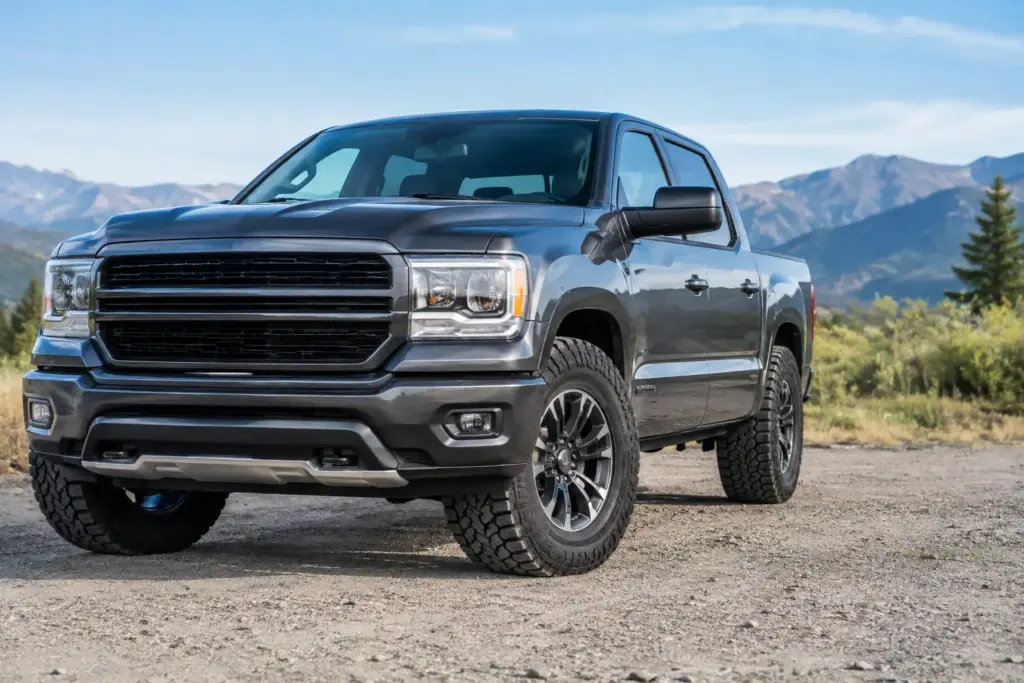
A half-ton pickup can look tougher with aggressive LT tires, but looks don’t tell the whole story. The conversation around LT tires on 1/2 ton trucks and why it’s not the best practice usually comes down to one question: does your truck actually need the extra tire capacity and stiffness? For many daily-driven F-150s, Silverados, Rams, and Tundras around Elk River, the answer is no.
LT tires absolutely have a purpose. They can be a smart choice for certain loads, towing situations, work sites, and off-road use. But fitting them simply because they seem more heavy-duty can leave a truck riding rougher, responding differently in rain and snow, and costing more at the pump. At Joe’s ALL TIRE, we look at how you use the truck before recommending a tire, not just how aggressive a sidewall looks.
Why LT Tires Feel Different on a Half-Ton Truck
LT means Light Truck, but the name can be confusing. An LT tire is built for more demanding service than a passenger-metric tire, often marked P-metric, that came on many half-ton trucks from the factory. LT tires typically have stronger internal construction, stiffer sidewalls, and higher load capability. They are designed to handle heavier loads and more abuse without flexing as much.
That extra construction is valuable when a truck is hauling tools every day, carrying a slide-in camper, pulling a heavy trailer regularly, or traveling on rough roads. But a tire built to resist flex also transfers more of the road into the truck. On a pickup that spends most of its time commuting, making grocery runs, taking kids to practice, or driving unloaded, that often means a noticeably firmer ride.
Many drivers assume a stiffer tire automatically makes the truck safer. It doesn’t work that simply. Tires need to match the vehicle’s weight, the wheel size, the manufacturer’s load requirements, and the conditions you drive in. More capacity than you need isn’t always an upgrade.
The Downsides of LT Tires for Everyday Driving
The most common complaint is ride quality. A half-ton pickup is already light over the rear axle when the bed is empty. Add stiff LT tires, especially in a higher load range, and the rear of the truck can feel choppy or bouncy over Minnesota’s patched pavement, frost heaves, and potholes.
Fuel economy can also take a hit. LT tires often weigh more than comparable passenger-metric tires. More rotating weight requires more energy to get moving and stop. The difference won’t be dramatic for every truck, but it can add up over a year of commuting and weekend driving.
Handling can change, too. The tougher carcass and heavier tread design may make steering feel less responsive on pavement. Some aggressive LT all-terrain patterns also create more road noise as they wear. That may be acceptable to someone who needs a jobsite tire, but it is an unnecessary trade-off for a driver who rarely leaves paved roads.
There is also the cost. LT tires generally cost more to buy, and larger LT sizes can be more expensive to mount, balance, and replace. Paying for capability you never use doesn’t create value. This Isn’t Walmart – the goal isn’t to sell the heaviest-looking tire on the rack. It’s to fit the right tire correctly and make sure it works for your truck, your budget, and your family.
Load Range Matters More Than the Letters on the Sidewall
Not every LT tire is the same. Load range is a major part of the decision. You may see Load Range C, D, or E. In general, the higher the load range, the stronger and stiffer the tire construction becomes. A Load Range E LT tire can make sense under certain conditions, but it is often more tire than an unloaded or lightly used half-ton needs.
It is also easy to make a pressure mistake. LT tires may list a maximum inflation pressure far above what the truck needs for normal use. Inflating them to the number printed as the maximum can make the ride harsh, reduce the tire’s contact patch, and contribute to uneven center tread wear. The correct cold pressure depends on the truck, tire size, axle load, and the tire placard or professional recommendation, not just the largest number on the sidewall.
A proper tire decision should account for:
- Your truck’s door-jamb tire and load specifications
- How often and how heavily you tow or haul
- Whether the truck is mostly empty or carries regular weight
- Your usual roads, from highway commuting to gravel and jobsite travel
- Winter, rain, and summer traction needs
If you’re caught between a passenger-metric all-terrain and an LT option, bring the real use case to the conversation. Joe at ALL TIRE can help sort out the load rating, tread pattern, size, and pressure setup without pushing you into a tire that doesn’t fit your driving. Mobile visitors can tap the blue call button in the lower left corner to ask questions or schedule an appointment.
When LT Tires Are the Right Call
LT tires aren’t a bad product. They are just often used where they aren’t needed. A half-ton truck may benefit from LT tires when it consistently tows near the upper end of its practical capacity, carries heavy equipment, hauls dense materials, runs a plow setup, or sees frequent rough-road and off-road use.
They can also be helpful for drivers who have experienced sidewall damage from rocks, construction debris, or repeated gravel-road travel. The stronger casing can offer the durability those situations demand. The key word is consistently. Choosing LT tires for the occasional mulch run or one camping trip each summer is usually not the same as needing them every workday.
Even then, tire selection is about more than toughness. An overly aggressive tread can give up wet-road confidence, quiet highway manners, and cold-weather grip. That’s where an open shoulder design deserves attention.
Open Shoulder Tires Matter in Minnesota
Minnesota drivers deal with more than dry pavement. We get long stretches of rain, slush, snow, ice, and five months where winter traction is part of normal driving. Open shoulder tire designs use wider channels and more open space near the edge of the tread. That helps move water, slush, and loose snow away from the contact patch.
For a truck used through all four seasons, an open shoulder all-terrain tire can be a practical middle ground. It can offer the more capable look and light-trail performance many pickup owners want while helping the tire clear water in summer rain and maintain traction in winter conditions. M&S markings can be useful, but the marking alone does not guarantee equal snow performance across every tire model.
The right answer may be a P-metric all-terrain with an open shoulder design rather than an LT tire. That setup can provide a more comfortable ride, lower weight, dependable wet traction, and enough capability for normal truck use. If your truck works hard, an LT all-terrain with an open shoulder may be the better fit. It depends on the job, not the badge on the tire.
Don’t Use Tire Appearance as the Deciding Factor
Big sidewalls and deep tread can make a half-ton truck look ready for anything. But a tire choice should not create problems just to support a look. Oversized or overly heavy LT tires can affect acceleration, braking feel, speedometer accuracy, suspension wear, and wheel bearing load if the fitment is pushed too far from factory specifications.
A good tire installation includes more than getting rubber on the wheel. It should include correct sizing, careful mounting, precise balancing, and a check for rubbing, vibration, and TPMS concerns. That attention is what keeps a tire upgrade from turning into an avoidable headache later.
At ALL TIRE, the advice is straightforward: use LT tires when your truck’s work calls for them. If it doesn’t, a quality passenger-metric or appropriately rated all-terrain tire may deliver a better everyday result. You shouldn’t have to sacrifice ride, traction, and fuel use for capability that stays parked in the garage.
Frequently Asked Questions
Are LT tires safe on a 1/2 ton truck?
Yes, LT tires can be safe when they are the correct size, load rating, and pressure for the truck. The issue is not safety by default. It is whether their heavier, stiffer construction matches how the truck is actually used.
Will LT tires make my truck ride rougher?
They often can, especially Load Range D or E tires on an empty half-ton pickup. Their stronger sidewalls flex less, so bumps and rough pavement are more noticeable inside the cab.
Do LT tires help with towing?
They can help when you tow heavy loads regularly because they provide added capacity and stability. They do not increase your truck’s factory towing or payload ratings, so always stay within the limits listed for your vehicle.
Should I run LT tires at maximum sidewall pressure?
Usually, no. Maximum sidewall pressure is not automatically the right operating pressure. Using too much air can hurt ride quality and wear the center of the tread faster. Follow the truck placard unless a qualified tire professional advises a different pressure for a specific load.
Is an all-terrain tire better than an LT tire for Minnesota?
They aren’t opposites. All-terrain describes the tread type, while LT describes the tire construction. Many half-ton owners do well with a passenger-metric all-terrain featuring an open shoulder design, while frequent heavy hauling may justify an LT all-terrain.
Before buying based on sidewall letters or an aggressive tread photo, think about the miles your truck actually drives. The right tire should make those miles quieter, safer, and easier – whether you’re headed to work, hauling a trailer, or getting home through the next snowstorm.
