Minnesota roads can change fast. A dry morning commute can turn into standing water, slush, or packed snow before the drive home. That’s why drivers looking for the best open shoulder tires Minnesota has to offer should look beyond a tire’s price tag and pay attention to how its tread is built.
At Joe’s ALL TIRE, we see what Minnesota weather does to tires every day. An open shoulder design is one of the features we strongly recommend for many cars, SUVs, and light trucks because it gives water, slush, and loose snow somewhere to go instead of letting it build up beneath the tire.
Why Open Shoulder Tires Matter in Minnesota
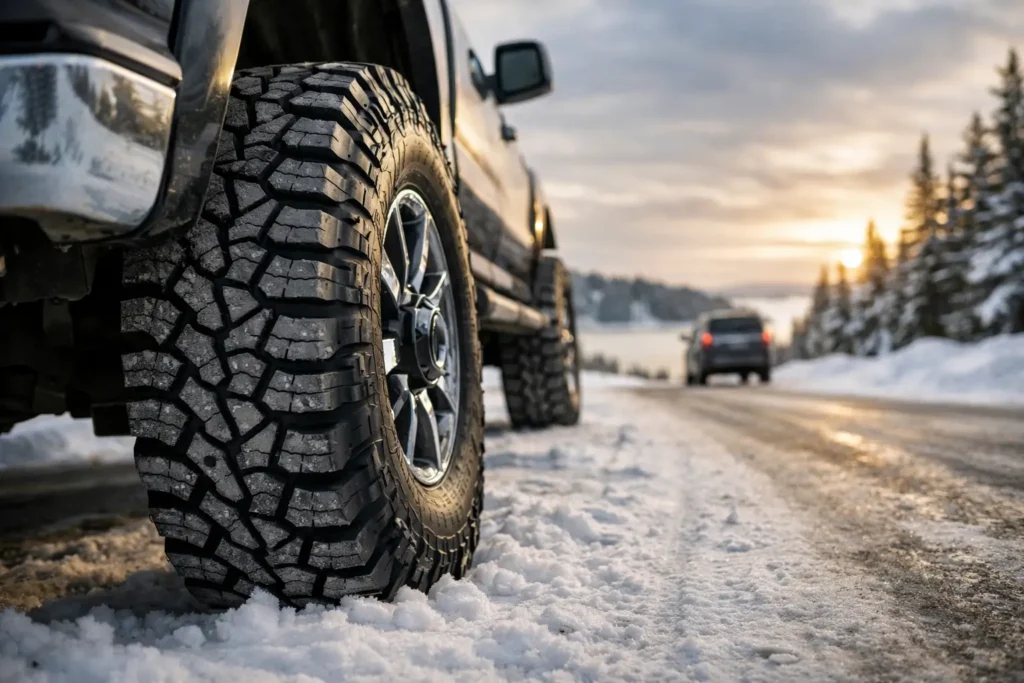
The shoulder is the outer edge of the tread, where the tire meets the road when you’re cornering or driving through ruts and wet pavement. An open shoulder tire has wider channels and more space around that outer tread area. Those gaps help move water, slush, mud, and snow away from the contact patch.
That matters here because Minnesota doesn’t just get a few snowstorms. We get roughly five months of snow and ice, plus spring thaw, heavy summer rain, and plenty of wet roads in between. A tire that clears water well can reduce the chance of hydroplaning. A tire that can shed slush and snow can feel more controlled when the road isn’t fully plowed.
Open shoulder designs are especially useful when you drive a mix of highway, county roads, gravel driveways, and parking lots that may not be cleared right away. They’re not a magic solution for reckless driving on ice, but they give your vehicle a better chance to maintain traction when conditions get messy.
What Makes an Open Shoulder Tire a Good Choice?
An open shoulder is only one part of a good tire. The right choice also depends on your vehicle, how many miles you drive, and whether your normal route is mostly city streets, freeway, rural roads, or job sites.
A quality open shoulder tire usually combines a few helpful traits:
- Wide grooves that channel water away from the tread
- Shoulder blocks with room to release slush and loose snow
- Siping, or small cuts in the tread blocks, that add biting edges on slick surfaces
- A rubber compound designed to stay useful as temperatures drop
- A tread pattern that balances wet traction, snow capability, road noise, and tread life
For many Minnesota drivers, a good all-weather or all-terrain tire with an open shoulder pattern makes more sense than a basic all-season tire with tightly packed tread. For others, especially drivers who travel on untreated roads or need maximum winter control, a dedicated winter tire may still be the smarter move.
There’s always a trade-off. More aggressive, open tread can create a little more road noise and may not wear as quietly as a highway-focused tire. But when rain is pounding down on Highway 10 or your driveway is covered in wet snow, that extra evacuation space can be worth it.
Open Shoulder Tires for Cars, SUVs, and Trucks
Open shoulder tires aren’t just for lifted pickups or off-road vehicles. Many passenger-car and crossover tires use a moderately open shoulder to improve wet handling without making the ride loud or rough. That’s a solid fit for commuters and families who want confident rain and slush traction without giving up everyday comfort.
For daily-driver cars and crossovers
Look for touring, all-weather, or premium all-season tires with clearly defined outer grooves and plenty of siping. If you drive year-round in Elk River, Otsego, Zimmerman, or surrounding communities, this style can offer a practical middle ground. It handles summer storms better than a closed, highway-style tread and provides more useful winter traction when temperatures fall.
If winter driving is a major part of your routine, check for the three-peak mountain snowflake symbol. That marking means the tire meets a recognized standard for snow traction. It doesn’t make the tire equal to every dedicated winter tire, but it’s a meaningful step up from a typical all-season design.
For pickups and light trucks
Pickup owners often benefit the most from open shoulder tread. Trucks may deal with gravel, mud, boat ramps, trailers, job sites, and unplowed side roads along with regular highway driving. An all-terrain tire with open shoulders can clear debris better and provide more bite in loose conditions.
The key is not going more aggressive than your real driving requires. A heavy mud-terrain tire may look tough, but it can be noisier, less comfortable, and less predictable on wet pavement than a quality all-terrain. Joe at ALL TIRE can help match the tire to the way you actually use your truck, not just the way it looks in the parking lot.
Don’t Judge a Tire by Tread Depth Alone
A tire can still have visible tread and be a poor choice for Minnesota weather. As tread wears down, the channels that once moved water and slush become shallower. Wet-road performance can drop before a tire looks completely worn out.
This is one reason tire inspections matter. ALL TIRE checks more than tread depth. We look for uneven wear, damaged tread, aging rubber, alignment-related wear patterns, vibration concerns, and whether the tire’s design still fits the vehicle’s needs. If your tires are wearing heavily on one shoulder, the problem may be alignment, suspension wear, or inflation pressure rather than the tire itself.
If you’re unsure whether your current tires are ready for another Minnesota season, we can give you a straight answer. Mobile visitors can tap the blue call button in the lower left corner to ask questions or schedule an appointment.
Cheap Tires Can Cost More on Wet Roads
A low price can be tempting when you need tires now. But not every bargain tire has the tread design, rubber quality, wet traction, or warranty support that Minnesota driving demands. That doesn’t mean everyone needs the most expensive tire on the shelf. It means you should know what you’re getting before it’s mounted on your vehicle.
At ALL TIRE, we’ll explain the difference between tire options in plain language. We’ll talk about what fits your budget, how long it should last, and whether its tread pattern makes sense for your driving. This Isn’t Walmart. You’re not just picking a tire from a rack and hoping for the best. You’re getting an experienced local recommendation, careful installation, proper mounting and balancing, and someone accountable if you have a question afterward.
How to Choose the Right Tire Before Winter Returns
Start with your actual driving habits. A commuter who stays on plowed roads has different needs than a contractor hauling tools, a parent driving kids to activities, or a truck owner pulling a trailer on weekends. Be honest about the worst conditions you regularly face, not just the sunny-day miles.
Next, check your owner’s manual or door-jamb placard for the correct tire size and load rating. The wrong fit can affect handling, braking, ride quality, and safety. If you’re changing tire types or moving to a more aggressive tread, it’s worth having a professional confirm the choice.
Finally, don’t wait until the first major snowfall. Tire availability can tighten when winter weather arrives, and worn tires don’t suddenly regain traction because the forecast changed. Getting ahead of the season gives you more choices and less pressure.
FAQ: Open Shoulder Tires in Minnesota
Are open shoulder tires good in snow?
They can be very good in snow because the wider tread spaces help release packed snow and slush. For the strongest winter performance, choose a tire with plenty of siping and consider a three-peak mountain snowflake rated tire or dedicated winter tire.
Are open shoulder tires louder on the highway?
Some are, especially aggressive all-terrain or mud-terrain designs. Passenger and crossover tires with moderately open shoulders are often designed to keep road noise low while still improving wet-weather evacuation.
Do open shoulder tires help prevent hydroplaning?
They can help by moving water out from under the tire more efficiently. Speed, tread depth, tire pressure, and standing-water depth still matter, so no tire eliminates hydroplaning risk completely.
Should I put open shoulder tires on all four wheels?
Yes. Matching tires across all four positions helps maintain predictable braking, handling, and traction. Mixing dramatically different tread designs can make a vehicle behave inconsistently on wet or snowy roads.
How often should I have my tires checked?
Check air pressure monthly and have the tires inspected during regular service, before winter, and anytime you notice vibration, pulling, uneven wear, or reduced wet-road confidence.
The right tire should make the drive feel less uncertain when Minnesota weather does what it does. A well-chosen open shoulder design, installed and maintained correctly, gives you a better foundation for the miles ahead.