

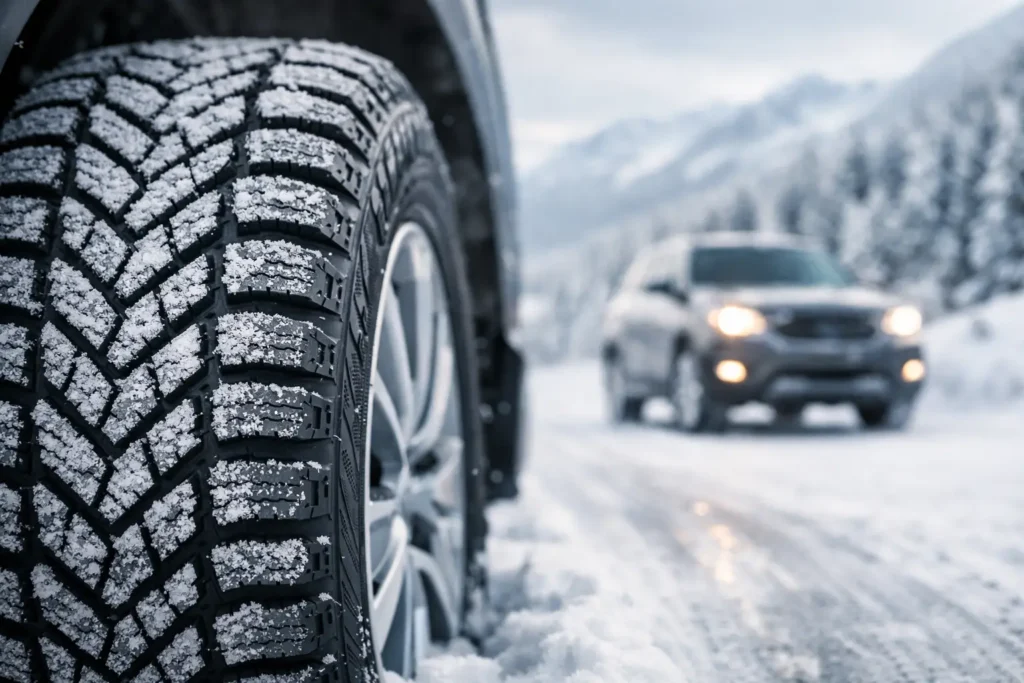
The difference between a tire that feels planted in January and one that feels sketchy usually comes down to design, not marketing. A real snow traction tire design guide starts with how the tread is built to bite, clear, and flex when roads are packed with snow, glazed with ice, or covered in slush. Around Minnesota, where winter hangs on for months, that design matters a lot more than a catchy name on the sidewall.
A lot of drivers assume deeper tread automatically means better winter traction. Sometimes it helps, but depth alone is not the whole story. The shape of the tread blocks, the number of sipes, the rubber compound, and the shoulder layout all work together. If one part is wrong for your driving, the tire can still disappoint even if it looks aggressive.
If you’re trying to sort through winter tire choices and want a straight answer for your car, SUV, or pickup, it helps to talk it through with someone who deals with Minnesota road conditions every day. Just tap the blue phone call button in the lower left corner – we’re just a call away.
What this snow traction tire design guide focuses on
For everyday drivers, the goal is simple. You want a tire that starts cleanly at a stop, tracks predictably through intersections, and gives you a little margin when conditions turn ugly fast. That means looking at the parts of tire design that actually affect snow traction, not just the parts that look tough in an ad.
Snow traction is different from ice traction, and both are different from cold-weather wet traction. A tire that works well in loose snow may still slide on polished intersections. A tire that grips well on ice may feel softer or wear faster when temperatures rise. There is always some trade-off, which is why the best choice depends on how and where you drive.
Tread pattern is where traction starts
The tread pattern does the visible work. In snow, the tire needs to pack and release snow efficiently while keeping enough edges on the ground to grip. Snow actually sticks to snow better than rubber sticks to snow in many situations, so a tread pattern that manages snow well can improve traction.
Directional and heavily siped winter patterns usually do better in snow than basic all-season patterns. They are built to move slush and loose snow away from the contact patch while creating more biting edges. That extra edge effect is what helps during starts, stops, and turns.
Tread voids matter too. If the spaces between tread blocks are too tight, the tire can load up with snow and stop clearing itself. If they are too open, the tire may give up some dry-road stability or wear more quickly. Good winter design balances those two needs instead of chasing one at the expense of the other.
Why open shoulder design matters
This is one area that gets overlooked, but it should not. Open shoulder tires can make a real difference in both winter traction and heavy rain performance. At All Tire, this is one of the design features we recommend paying close attention to because open shoulders help evacuate slush, water, and loose snow from the outer edge of the tread.
That matters when you’re turning through a messy intersection or driving through partially cleared lanes. A more open shoulder can help the tire clean itself instead of holding slush at the edge. For many cars and trucks, especially in places like Elk River where roads can go from dry pavement to packed snow in one commute, open shoulder designs are often the smarter choice.
Sipes create the small edges that do big work
Sipes are the thin slits cut into tread blocks. They may look minor, but in winter they do a lot of heavy lifting. As the tire rolls, those tiny cuts open and close, creating more edges that can grip snow and rough ice surfaces.
More siping usually improves winter traction, but there is a limit. If tread blocks become too soft or squirm too much, steering can feel vague on dry pavement. Better winter tires solve this with 3D siping or interlocking tread features that add grip without letting the tread get sloppy.
For the average driver, this means not all heavily siped tires are equal. One tire may feel controlled and secure, while another may feel vague even if both look similar at a glance. Design quality matters as much as the number of cuts in the tread.
Rubber compound can matter more than tread depth
Cold temperatures change rubber. A standard all-season compound gets stiffer as the weather drops, which reduces its ability to conform to the road surface. Winter compounds are built to stay more flexible in low temperatures, helping the tread keep contact and grip.
That flexibility is a major reason a true winter tire outperforms a worn or even a new all-season tire once temperatures really fall. It is not just about snow on the road. It is also about how the tire behaves when the pavement is cold, hard, and slick.
The trade-off is that softer winter compounds can wear faster in warm weather. That is why running them year-round usually costs you in tread life and handling. If you want strong winter traction without changing tires seasonally, some all-weather tires are a middle-ground option, but they still do not all perform the same.
Snow traction tire design guide for trucks, SUVs, and cars
Vehicle type changes what works best. A compact front-wheel-drive car often benefits from a winter tire with excellent siping, a flexible compound, and predictable road manners. A half-ton pickup may need a design that handles snow well but also stays stable under load and clears slush efficiently.
Truck owners sometimes lean toward aggressive all-terrain tread, thinking bigger lugs automatically mean better winter grip. Sometimes they help in loose snow, but they are not always best on packed snow or ice. Some all-terrain tires have winter-focused design features and severe snow ratings, while others are better suited to mud and gravel than Minnesota winter roads.
For SUVs and crossovers, balance matters. Many drivers want one tire that handles school runs, highways, and weekend storms without noise or harshness. That is where tread pattern and shoulder design become especially important. A tire can look moderate but still perform well if the engineering is right.
What to look for beyond the tread
The three-peak mountain snowflake symbol is worth checking. It means the tire meets a recognized standard for severe snow service. That does not guarantee it is the best tire for every vehicle, but it does tell you the tire was designed with winter performance in mind.
Load rating and speed rating matter too. The wrong specification can affect handling, ride, and safety. So can tire pressure. Even a well-designed winter tire will underperform if it is underinflated, unevenly worn, or installed on a vehicle with alignment or suspension issues.
That is one reason tire advice should never be one-size-fits-all. The right answer for a commuter sedan is not automatically the right answer for a light truck that tows, or for an SUV driven mostly on plowed highways.
The biggest mistake drivers make
The most common mistake is buying by appearance alone. A tire with chunky tread may look ready for winter but still fall short if the compound hardens in the cold or the tread design does not create enough biting edges. The second mistake is waiting too long, then trying to solve a traction problem after the first storm exposes it.
If you want to read more about tread patterns, winter tire behavior, and how different designs compare, our tire knowledge center has practical information that helps drivers make sense of the options at www.joesalltire.com/knowledge-center/.
How to choose the right winter-focused design
Start with your real driving habits, not your most extreme once-a-year trip. If you mostly drive plowed roads but still need confidence in storms, a strong all-weather or winter tire with open shoulders and solid siping may be a better fit than an aggressive all-terrain. If you regularly drive rural roads early in the morning before plows are out, a dedicated winter tire may be the better answer.
Be honest about what matters most. Some drivers care most about stopping distance. Others care about deep snow traction, road noise, tread life, or price. There is nothing wrong with any of that, but each priority shifts the recommendation.
At Joe’s All Tire, the best tire conversations usually start with a few simple questions about the vehicle, the roads you drive, and what disappointed you about your last set. That is how you get a recommendation that is done right instead of a generic pick off a shelf.
A good winter tire does not make you invincible, but the right design gives you more control when conditions get bad fast. In a Minnesota winter, that extra margin is worth paying attention to before the next storm shows you what your current tires cannot do.
