

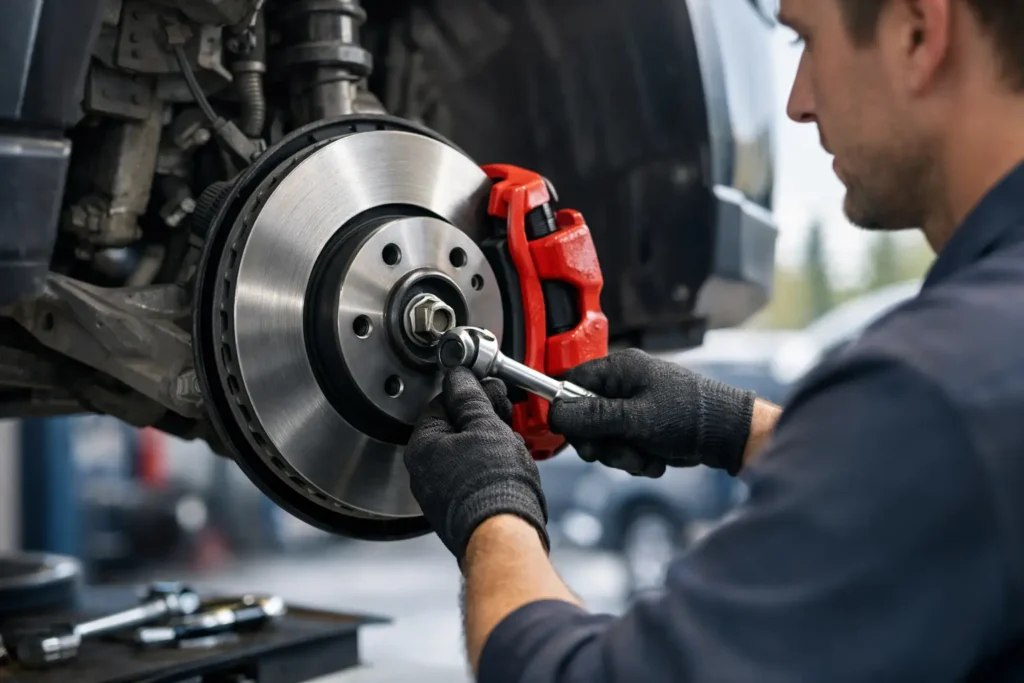
A brake problem usually doesn’t show up at a convenient time. It starts with a squeal at a stop sign, a soft pedal in traffic, or a shake in the steering wheel when you’re heading down the highway in wet weather. If you’re searching for brake repair Minnesota drivers can actually trust, you’re probably not looking for a sales pitch. You want to know what’s wrong, what can wait, and what needs to be fixed before your vehicle becomes unsafe.
That’s exactly how we look at it at Joe’s All Tire, or All Tire as a lot of locals call us. Brakes aren’t a place for guessing, and they definitely aren’t a place for rushed work. In Minnesota, where road salt, slush, cold starts, and long commutes all add wear in different ways, brake issues can build slowly and then get serious fast.
Why brake repair in Minnesota is different
Brake systems wear everywhere, but Minnesota adds its own pressure. Winter brings corrosion. Spring brings potholes and washboard roads. Summer means highway miles, trailer towing, and sudden rainstorms that test both your tires and your stopping power.
That mix matters because brake performance isn’t just about the pads. Rust can seize caliper hardware. Moisture can affect brake fluid over time. Rough roads can speed up wear on suspension parts that make a brake problem feel worse than it is, or hide the real cause. A driver might come in thinking they need brakes, but the full story could involve a wheel bearing, rotor condition, tire wear, or vibration from another source.
That’s why honest brake repair Minnesota service should start with a real inspection, not a canned package. Some vehicles need pads and rotors. Some need hardware and caliper service. Some have a pedal concern caused by fluid condition or a failing component upstream. It depends on the vehicle, the mileage, and how it’s been driven.
Signs you shouldn’t ignore
A lot of brake problems give you warnings before they turn urgent. The key is knowing which warnings matter.
A high-pitched squeal can mean the pads are worn down, but not always. Grinding is more serious and often means metal-to-metal contact, which can damage the rotors quickly. If the pedal feels soft or goes lower than usual, that points to a problem that needs attention right away. Pulling to one side during braking may mean uneven brake force, a sticking caliper, or even a tire issue affecting the way the vehicle reacts.
Vibration is where many drivers get mixed signals. If the steering wheel shakes during braking, that can suggest rotor issues, but it can also overlap with suspension wear or tire-related vibration. At All Tire, that matters because you don’t want someone replacing brake parts just because the symptoms sound familiar. You want the actual cause nailed down.
If you’re hearing noises or feeling changes and you’re not sure how urgent it is, we can help you sort that out fast. Just tap the blue phone call button in the lower left corner – we’re just a call away.
What a proper brake inspection should include
A good brake inspection shouldn’t feel mysterious. You should know what was checked and why the recommendation makes sense.
At a minimum, the shop should inspect pad thickness, rotor condition, caliper operation, brake hardware, fluid level and condition, and the way the vehicle behaves under braking. Tire condition can matter too, especially in wet or slick conditions. Tires and brakes work together, and if the tires don’t have the grip to back up the brake system, stopping distance suffers no matter how new the pads are.
That’s one reason we talk so much about tire choice with local drivers. Minnesota gets about five months of snow and ice, and open shoulder tire designs are a smart choice for many cars and trucks because they help with summer rain evacuation and winter traction. It doesn’t replace good brakes, of course, but it does support the whole safety picture. Stopping well is never just one part.
Cheap brake jobs usually cost more later
A lot of big-box places and chain stores make brake service sound simple. Low advertised pricing gets people in the door, and then the estimate changes once the vehicle is apart. That’s frustrating, and it makes people second-guess whether the work is even necessary.
This Isn’t Walmart. That’s not just a slogan to sound tough. It’s the difference between volume service and owner-led service. Brake work done right takes time, care, and attention to the parts that don’t show up on a flashy coupon. Proper fit, clean mounting surfaces, hardware condition, torque specs, and a full test drive all matter. If any of that gets skipped, the brake job may technically be done, but not done well.
That doesn’t mean every vehicle needs the most expensive option available. Sometimes a practical repair is the right repair. The point is that the recommendation should match the vehicle’s condition and your driving needs, not a preset sales target.
Common brake repairs and what they actually mean
When people hear “brake job,” they often think it’s one standard service. It isn’t.
Pads and rotors are the most common repair, but even that has some variation. Some vehicles wear evenly and need straightforward replacement. Others have heat spotting, rust buildup, or uneven wear that points to caliper or hardware issues. If those parts aren’t addressed, new pads may wear badly or make noise early.
Brake fluid service is another one people overlook. Over time, fluid can absorb moisture, which lowers performance and can contribute to internal corrosion. Not every brake concern is solved by fluid service, but in the right situation, it helps restore pedal feel and protect the system.
Then there are cases where the problem isn’t technically the brakes at all. A bad wheel bearing can create noise or instability that drivers notice most when slowing down. Tire wear can exaggerate braking issues. Suspension wear can make the front end dive, shake, or feel loose under braking. That’s why experience matters. You want someone who sees the whole vehicle, not just the brake line on the invoice.
Brake repair Minnesota drivers should expect from a local shop
The best local shops don’t try to impress you with jargon. They explain what they found in plain English, tell you what needs immediate attention, and let you know what can be planned for later.
That’s the kind of service people come to Joe at All Tire for. Joe’s on-site daily, which means the advice isn’t coming from a disconnected counter script. It’s direct, honest, and based on what your vehicle actually needs. For families, commuters, pickup owners, and anybody depending on their vehicle every day, that kind of accountability matters.
It also matters that the work is checked carefully before the vehicle leaves. Brake service should leave you more confident, not wondering if the noise will come back in a week. Done right means the pedal feels right, the vehicle stops straight, and the explanation makes sense.
When to schedule brake service instead of waiting
Some brake problems can be monitored briefly, but others shouldn’t sit. Grinding, a brake warning light, leaking fluid, severe pulling, or a soft pedal all move into the urgent category. Those aren’t “wait until next paycheck if possible” issues. They affect your ability to stop safely.
Lighter symptoms still deserve attention, especially before weather changes. If your brakes are already marginal in dry conditions, they won’t feel better on icy roads or during a heavy summer downpour. Minnesota driving has enough variables already. Your brakes shouldn’t be one of them.
A smart approach is to have them checked when you first notice a change, not after the problem becomes obvious to everyone else in the car. Catching wear early often gives you more options and can help prevent damage to more expensive parts.
Why trust matters more than the ad
Most drivers don’t shop for brake repair because they want an exciting experience. They want straight answers, fair pricing, and confidence that their vehicle is safe when they pull back onto the road.
That’s what local, reputation-driven shops tend to understand better than chains. When your business depends on the next review, the next referral, and the next conversation at the grocery store, you don’t play games with people’s brakes. You inspect carefully, explain clearly, and do the work correctly the first time.
If your vehicle has started squealing, pulling, shaking, or just doesn’t feel right when you stop, trust that instinct. A brake system rarely fixes itself, and peace of mind behind the wheel is worth acting on early.

