
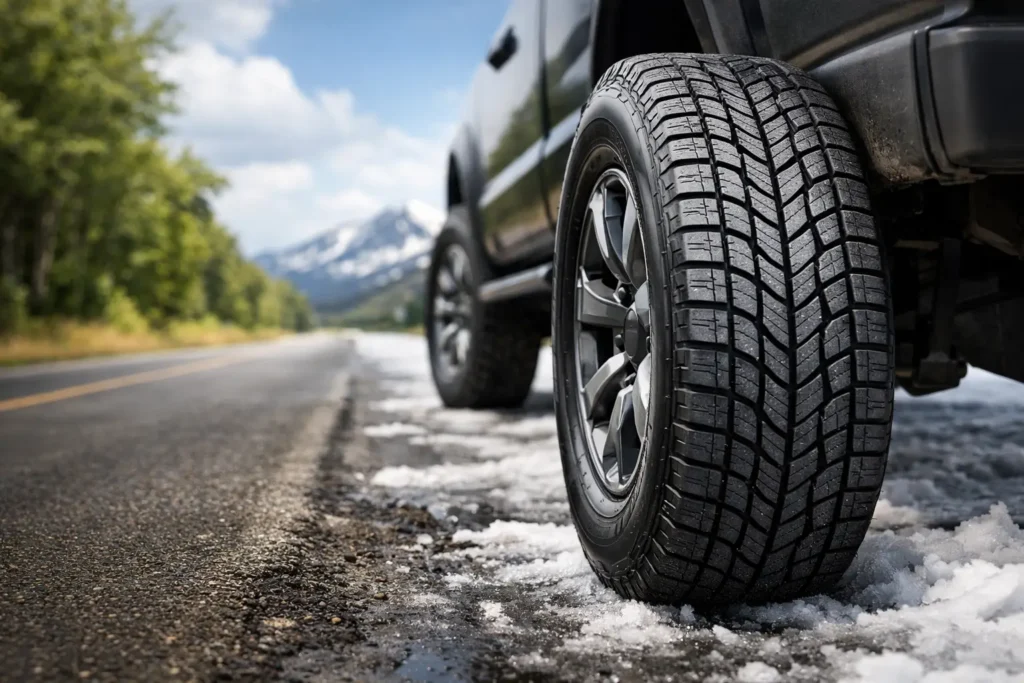
You notice truck tires when they start getting loud, slipping on wet roads, or wearing out faster than they should. That is usually when the real questions start. Are all season tires for trucks the right call, or do you need something more aggressive? For a lot of drivers, the answer is yes – but only if you match the tire to how the truck is actually used.
That matters more than the name on the sidewall. “All season” sounds like a one-size-fits-all solution, but truck owners know better. A pickup that spends its life commuting and hauling kids has different needs than one pulling a trailer every weekend or heading down gravel roads every day. The right tire is not just about getting through the next winter or squeezing out the last few thousand miles. It is about safe stopping, stable handling, and getting value out of what you buy.
When all season tires for trucks make sense
For many light truck owners, all season tires are the most practical choice. They are built to handle a wide range of conditions well enough for daily driving, including dry pavement, rain, and light snow. If your truck spends most of its time on the road, that kind of balanced performance is usually what you want.
This is especially true for commuters, families, and local drivers who need dependable traction without the road noise and fuel economy hit that can come with more aggressive tread patterns. A good all season truck tire should feel predictable. It should track straight, brake confidently in the wet, and wear evenly when the suspension is in good shape and the tires are rotated on schedule.
In Minnesota, there is always a little more to think about when winter enters the picture. All season tires can handle moderate cold-weather driving, but they are not the same as dedicated winter tires. If you drive mainly plowed roads and want one set year-round, an all season tire can be a solid fit. If your route includes untreated roads, steep driveways, or early-morning travel before the roads are cleared, there are times when a true winter tire setup is still the safer choice.
What truck owners should look at before buying
The first thing to look at is how your truck is used on a normal week, not on the one weekend a year when it does the toughest job. If you mostly drive unloaded on highways and city streets, ride comfort and tread life may matter more than off-road grip. If you tow often or carry heavy loads, load rating becomes a much bigger deal.
That is where people can get into trouble by shopping only by price. A cheaper tire may look fine on paper, but if the load range is wrong or the tread compound is too soft for your use, you may end up with unstable handling, fast wear, or a tire that just never feels right on the truck.
The tread pattern matters too. Some all season truck tires lean more toward highway comfort, while others are closer to all-terrain designs with stronger shoulders and more open grooves. Neither is automatically better. It depends on whether you want a quiet, smooth ride or a little more bite on loose surfaces and in messy weather.
Then there is sizing. Staying with the correct size and factory-approved load capacity is usually the smart move unless you have a specific reason to change. Going bigger for appearance alone can affect ride quality, braking, speedometer accuracy, and wear. It can also make a truck feel heavier and less responsive than it should.
Not all all season truck tires are built the same
This is where honest advice matters. Two tires can both be marketed as all season and still perform very differently. One may be strong in wet braking and tread life, while another may ride softer and stay quieter on the highway. A third may be better for drivers who split their time between pavement and gravel.
The brand matters, but the model matters just as much. Premium manufacturers usually put more into compound design, casing strength, and consistency from tire to tire. That often shows up in better ride quality, stronger warranty support, and more predictable wear over time. Still, not every driver needs the most expensive option on the rack.
A value-minded tire can be the right buy if it matches the vehicle and the job. The key is avoiding the false bargain – the tire that saves money up front but wears quickly, rides rough, or struggles when the weather turns. Good tire buying is less about chasing the cheapest number and more about getting the right result.
Highway all season vs. all-terrain styles
A lot of truck owners compare these two because the line between them can get blurry. Highway all season tires are usually the better fit for drivers who want comfort, lower noise, steady road manners, and long tread life. They are ideal for daily use, commuting, family driving, and trucks that stay on pavement most of the time.
All-terrain tires can still be all season rated, but they tend to give up some on-road comfort in exchange for stronger traction on dirt, gravel, mud, and rougher surfaces. They often look tougher, and for some drivers they are the right tool. But they can also ride firmer, hum more at speed, and wear differently depending on alignment and rotation habits.
If your truck rarely leaves the road, a true highway all season tire is usually the better choice. If your work or lifestyle regularly puts you on mixed surfaces, it may be worth giving up a little comfort for added grip and durability.
The common mistake: buying for appearance instead of use
This happens more than people think. A tire with an aggressive tread can make a truck look ready for anything, but looks do not help you stop faster in the rain or keep road noise down on a 30-minute commute. In some cases, the wrong tire simply makes a good truck less enjoyable to drive.
The better approach is simple. Be honest about your driving, your cargo, your towing habits, and your road conditions. If a tire is overbuilt for your use, you often pay more and get less comfort. If it is underbuilt, you may notice squirm, fast wear, or poor traction when you need it most.
That is one reason local truck owners often do better working with a shop that asks questions first. At Joe’s All Tire, the right recommendation starts with how the vehicle is used, not with whatever happens to be easiest to sell that day.
How to make all season tires last longer
Even the best tire will not perform well for long if the basics are ignored. Tire pressure is the big one. Underinflation builds heat, hurts fuel economy, and causes uneven wear. Overinflation can make the ride harsher and reduce the contact patch.
Rotation matters just as much on trucks, especially if they tow, carry uneven loads, or spend a lot of time on the front axle with heavier engine weight. If your tires are wearing oddly, do not assume the tire itself is bad. Alignment issues, worn suspension parts, or balance problems can ruin a good set quickly.
Vibration is another sign to pay attention to. Many drivers wait too long, thinking a shake at highway speed is just part of owning a truck. It is not. A vibration can point to balance issues, irregular wear, or mechanical problems that should be diagnosed before they damage the tires further.
So, are all season tires the right choice?
For a lot of truck owners, yes. If your pickup is a daily driver, sees mostly paved roads, and needs to handle changing weather without drama, all season tires are often the smartest balance of traction, comfort, tread life, and value. They do a lot well, which is exactly what most drivers need.
But there is always an it-depends factor. If you tow heavy, drive off-road regularly, or deal with serious winter conditions for long stretches, another tire category may serve you better. The best tire is not the one with the boldest marketing or the most aggressive tread. It is the one that fits the truck, the season, and the way you actually live with it.
If you are unsure, that is not a sign to guess. It is a sign to ask someone who will give you a straight answer. The right set of tires should make your truck feel planted, predictable, and ready for the miles ahead.