
Open & Closed Shoulder Tires | Technical Guide


Your Guide To Safer, Better Traction Tires For Minnesota Weather
Open and Closed Shoulder Tires: An Informative Overview
Tire design plays a crucial role in vehicle performance, safety, and comfort. Among various tire characteristics, the shoulder design—whether open or closed—significantly impacts handling, traction, noise levels, and wear patterns. Understanding the differences between open and closed shoulder tires can help drivers choose the right tires for their specific driving needs.
What Are Shoulders on Tires?
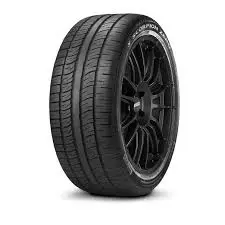
The shoulder of a tire is the area where the tread meets the sidewall. Essentially, it is the outer portion of the tread on each side of the tire that contacts the road. Tire manufacturers design the shoulder with specific patterns that influence how the tire manages water, slush, snow, or mud as you drive.
Closed (Rib-Type) Shoulders: Have no openings and appear continuous.
Open (Block-Type) Shoulders: Feature gaps or channels between tread blocks to allow weather and debris to escape.
Open Shoulder Tires
Open shoulder tires feature grooves or channels between the tread blocks on the shoulder area. These voids create an “open” pattern that helps water, mud, and debris escape more easily.

Advantages
Improved Water Evacuation:
Channels prevent hydroplaning by efficiently moving water away from the contact patch.
Enhanced Traction:
Open shoulders expel snow, slush, rain and mud to make sure your tread stays in contact with the road instead of slipping or sliding.
Better Self-Cleaning:
Often used in off-road or all-terrain tires to shed mud and stones, maintaining performance.
Disadvantages
Increased Road Noise:
Open spaces can generate more noise as air passes through the grooves.
Potential Faster Wear:
Tread blocks may wear quicker due to reduced surface contact with the road.
Closed Shoulder Tires
Closed shoulder tires have tread blocks that are tightly packed together, with minimal or no grooves between them. This design creates a continuous “closed” appearance on the shoulder.

Advantages
Quieter Ride:
Continuous tread blocks reduce air noise, resulting in a smoother and quieter drive.
Longer Tread Life:
Larger tread blocks often wear more evenly and slowly.
Better Stability:
Provides more surface area contact during cornering, improving handling on dry pavement.
Disadvantages
Reduced Water Evacuation:
May not channel water as effectively, increasing the hydroplaning risk in heavy rain.
Less Off-Road Capability:
Less effective at shedding mud and debris, making them less suitable for rough terrain.
Choosing Between Open and Closed Shoulder Tires
The ideal shoulder design depends on your typical driving conditions and priorities:
Open Shoulder Tires: Best for wet, snowy, or off-road conditions due to improved traction and self-cleaning capabilities.
Closed Shoulder Tires: Preferable for highway driving and dry pavement, offering a quieter ride and longer tread life.
Many all-season tires strike a balance, providing moderate performance in various conditions.
Our Top-Selling Open Shoulder Tires for Minnesota
If you’ve read this far, you already know why we lean toward open shoulder designs for most
Minnesota drivers — better water and slush evacuation, more confident traction when the
weather turns. Here are the open shoulder tires we sell most, ranked by what actually leaves
our shop the most, in order:
- 1. Michelin CrossClimate2 — our top all-around pick for drivers who want one set of tires for every Minnesota season. See our full CrossClimate2 breakdown on the Michelin page. Awesome rain/snow traction with great mileage too
- 2. General AltiMAX RT45 — a dependable, value-friendly all-season with confident wet and light-snow grip.
- 3. BFGoodrich Advantage Control — a smooth, quiet all-season built for daily comfort without giving up wet-weather confidence.
- 4. Michelin Defender 2 — built for long tread life and dependable year-round traction — a strong pick if mileage is your top priority. See our full Defender lineup on the Michelin page.
- 5. Uniroyal Tiger Paw Touring A/S — an affordable, durable touring tire that holds up well on wet/sloppy Minnesota roads.
- 6. Cooper ProControl — a comfortable grand-touring tire with very strong wet-weather performance.
Not sure which of these fits your vehicle? Call or stop by ALL TIRE and we’ll match you to
the right one — no upsell, no guessing. Mobile viewers, just click that blue button on bottom left of your screen.
Conclusion
Understanding the differences between open and closed shoulder tires helps drivers make informed decisions based on performance needs and driving environments. Whether prioritizing traction, noise reduction, or tread life, selecting the appropriate shoulder design contributes to safer and more comfortable driving experiences.