

ATV & UTV Tire Mounting, Balancing & Repair
ATV tire changing Elk River, MN
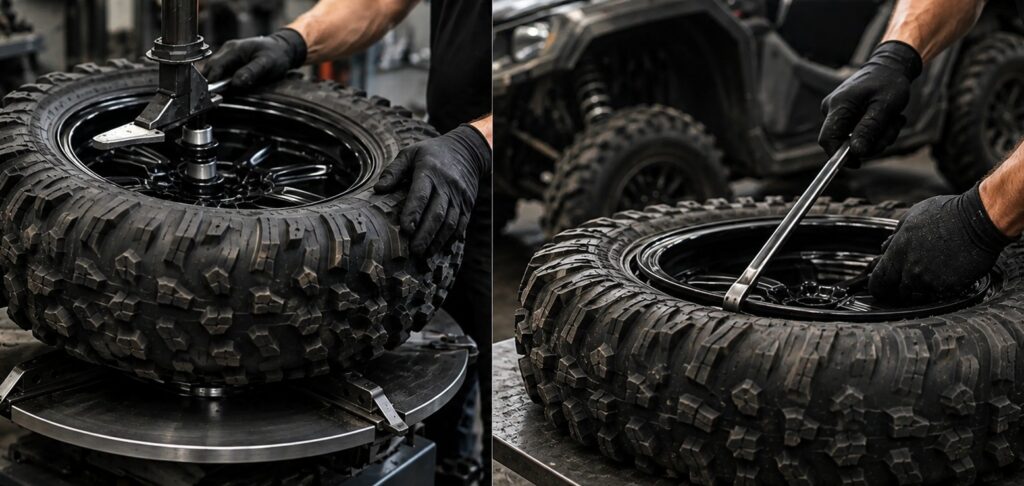
Professional ATV & UTV Tire Service for Riders Who Demand Better
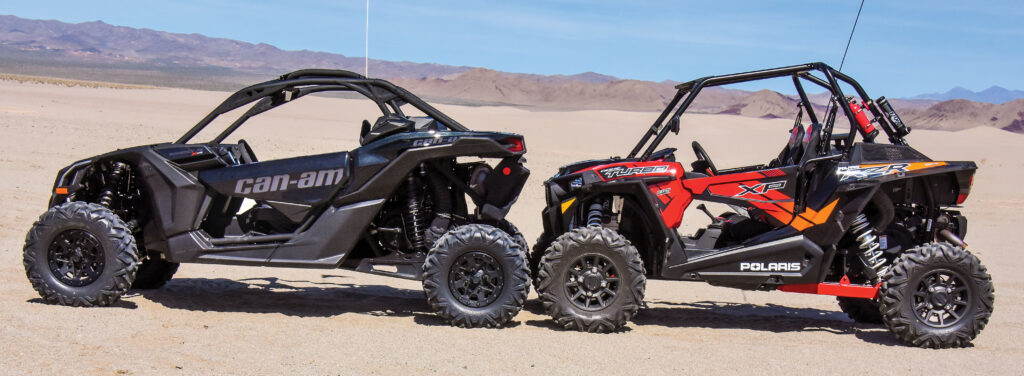
Your ATV or UTV faces conditions that street tires never see. Rocks pinch sidewalls. Mud packs into lugs. Low-pressure riding puts stress on the bead. That’s why your tire service shouldn’t be an afterthought.
At All Tire in Elk River, we handle the full lineup of ATV and UTV tire work—mounting, balancing, repair, and rotations—with the same owner-led, straight-answer approach we’ve used since 1993. Whether you run a Polaris RZR, Can-Am Maverick, Honda Foreman, Yamaha Grizzly, or a work ATV, we mount, balance, and repair tires for machines that see real mud, real rock, and real miles.
What We Handle
- ● ATV and UTV tire mounting and dismounting
- ● Flat tire repair, puncture repair, and valve stem replacement
- ● Beadlock and standard wheel setups
- ● Precision balancing on tires 25″ and larger
- ● Tire rotations and maintenance
- ● Honest repair vs. replace assessments
If it’s a tire problem on an ATV or UTV, we’re equipped to diagnose it and fix it right the first time.
Why ATV & UTV Tire Work Is Different
A lot of tire shops are set up for cars and trucks. Off-road tires—especially larger ATV and UTV tires—need different tools, knowledge, and care. Here’s why:
Stiff Sidewalls & Stubborn Beads
Off-road tires are built tough, which means stiff sidewalls and beads that resist seating. Trying to force one on with wrong tools or technique can scratch the wheel, damage the bead, or create a slow leak that shows up later. Proper mounting requires inspection of the wheel first—checking for rust, corrosion, dents, or old sealant buildup that can prevent an even seal.
Beadlock vs. Standard Wheels
Many modern UTVs and lifted ATVs run beadlock wheels—that outer ring locks the bead in place so you can run lower pressures without debeading. Standard wheels need an airtight seal and proper bead lubrication. Both require different handling. A lot of shops only know one setup.
Size Matters—Especially Over 25 Inches
Larger tires (26″, 27″, 28″+) put extra demand on balancing equipment. An out-of-balance oversized tire at trail speed means a rough, fatiguing ride, steering vibration, and uneven wear that costs you money down the line. We run dedicated equipment sized for these larger off-road tires—equipment many shops simply don’t have.
Low Pressure & Load Changes
Off-road tires often run at lower pressures than street tires, but that doesn’t mean guessing is fine. Too much pressure makes the ride harsh and reduces the contact patch. Too little increases the chance of debeading during side loads and sharp turns. The right pressure depends on tire construction, machine weight, speed, and terrain. What works in soft sand may not work at all on rocks or hardpack surfaces.
Choosing the Right ATV or UTV Tire
A lot of tire problems start before the machine ever leaves the garage. Riders often choose a tire based on aggressive looks alone, then end up with harsh ride quality, steering issues, or tread that wears faster than expected. The right tire depends on terrain, load, and how you actually use the machine.
All-Terrain Tires
Tighter tread spacing, moderate lug height. Good on hardpack trails, gravel, and mixed surfaces. Rides smoother than aggressive mud tires, wears more evenly. Better steering feel on road or hard surfaces.
Mud Tires (Aggressive Tread Pattern)
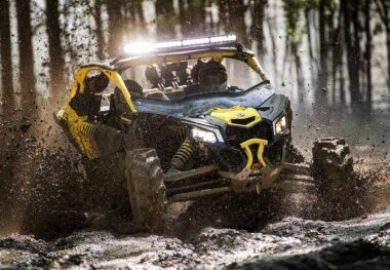
Large voids between lug blocks for self-cleaning in mud and loose dirt. Open shoulder design for traction at the edges. Trade-off: harsher ride, faster center wear on hard surfaces, tread that wears quicker on mixed terrain. Best for dedicated mud riding, not everyday trail use.
Radial vs. Bias Construction
Radial tires generally ride smoother and balance more evenly. Bias tires are stiffer and more puncture-resistant, popular for rocky terrain and work use. Radials are better for higher-speed trail riding; bias tires handle rock crawling and heavy loads well.
Tire Size & Load
Going larger improves ground clearance but changes gearing, steering feel, and strain on suspension and driveline. A wider tire adds flotation in soft terrain but can make steering heavier and cause rubbing if wheel offset isn’t right. Ply rating affects puncture resistance and stiffness, but more ply doesn’t always mean better ride comfort. If you run your UTV for work and carry tools, feed, or equipment, load affects how the tire supports weight and heat buildup—a tire that seems fine on light recreational rides may not hold up under regular hauling.
Balancing: When It Matters & When It Doesn't
Here’s where we’ll be honest with you: not every ATV and UTV setup needs the same level of balancing attention as a highway vehicle. But if your machine sees higher speeds, hardpack roads, or mixed-use riding, imbalance will absolutely show up as vibration and uneven wear.
Balancing Makes a Difference When:
- ● You ride at speeds above 30–40 mph frequently
- ● Your rig sees groomed trails, fire roads, or mixed hard/soft surfaces
- ● You're running radial tires (they're more susceptible to imbalance vibration)
- ● You operate a work UTV all day—uneven wear costs money over time
- ● You want smoother handling and longer tire life
Balancing May Not Be Worth It If:
- ● You ride mostly at speeds under 20–30 mph (mud play, technical riding, rock crawling)
- ● You're running aggressive mud tires—their heavy lugs create vibration anyway
- ● You ride in mud constantly—dirt will re-throw any balancing job within a few rides anyway
Balancing Methods:
Dynamic Machine Balancing: We use dedicated equipment sized for larger off-road tires. This works best on tighter-tread all-terrain tires and radials. Mud tires with massive lugs are harder to balance perfectly—we’ll do our best, but aggressive tread will always vibrate somewhat.
Internal Balancing Beads (Dyna Beads, etc.): Glass or ceramic beads you install inside the tire through the valve stem. They move with the tire and continuously rebalance as you ride. Popular for mud tires and high-flex situations because weights won’t stay on a rim caked in mud. Downside: they’re not perfect and can shift unpredictably.
Mounting Done Right
Proper mounting starts with inspection. We check the wheel for rust, corrosion, dents, or old sealant buildup—especially common on machines that see water crossings or mud. We inspect the tire itself for shipping damage, bead distortion, or defects before installation.
Lubrication matters during mounting, but it has to be the right kind and used correctly. Too little can damage the bead. Too much, or using the wrong product, can create sealing problems. Once the tire is on the wheel, bead seating needs to happen evenly. If one side hangs up or pops into place unevenly, the tire may never run true.
Repair vs. Replace: The Honest Call
Not every flat should be repaired, and not every repair that holds air is a proper repair. Here’s how we make the call:
Repairable
A simple tread or even most sidewall punctures from a nail or similar object may be repairable if the injury is in a suitable area and the tire hasn’t been run flat long enough to damage the casing. If it’s repairable, we fix it, and FIX IT RIGHT.
Not Repairable
- ● Some sidewall punctures or cuts
- ● Major shoulder damage
- ● Large cuts or gashes
- ● Bead injuries
- ● Large punctures in heavily flexing areas (the side walls of low-pressure tires)
- ● Run-flat damage—even if the hole looks minor, excessive flex can weaken the internal structure invisibly
- Plugged tires - Some plugged tires cannot be patched, as plugs enlarge the injury
A lot of riders carry plug kits for trail emergencies. There’s a place for that—getting home safely is important. But an emergency trail fix is not the same as a trusted repair. If the tire is valuable, the machine is used hard, or passengers are involved, have it inspected before assuming the problem is solved. For tire longevity, we highly recommend patching an injury after a temporary plug, as it seals much better and holds the injury together, instead of pushing it apart. Even better is to permanantly patch from the start.
Common Signs Your ATV or UTV Tire Setup Needs Attention
Most tire issues give warning before they become a breakdown:
Pulling to One Side
Uneven pressure or internal tire damage.
Hop, Wobble, or Shimmy
Bent wheel, separated tire, or poor bead seating.
Repeated Air Loss
Puncture, bead leak, valve problem, or wheel damage. Bead leaks are common on older wheels with mud or corrosion buildup.
Uneven Tread Wear
Center wear = overinflation. Edge wear = low pressure. Chopped or irregular tread = terrain, suspension issues, or imbalance. Alignment, bushings, bearings, and wheel condition all affect how a tire wears.
Serving Elk River & Surrounding Area
Riders come to us from Elk River, Otsego, Zimmerman, Big Lake, Dayton, Rogers, and throughout the Twin Cities area for ATV and UTV tire work—the same high-quality shop, the same honest pricing, and the same owner-led approach you’d expect.
FAQs About ATV & UTV Tire Service
Do you mount tires that customers bring to you, or do I have to buy from Joe's?
Can you balance tires over 25 inches?
Do you work on beadlock wheels?
Can you repair punctures on mud tires?
Do I need an appointment?
Should I balance my ATV or UTV tires?
Ready to Get Your ATV or UTV Rolling Smooth?
Call or text us to ask a question, check availability, or schedule a drop-off.
